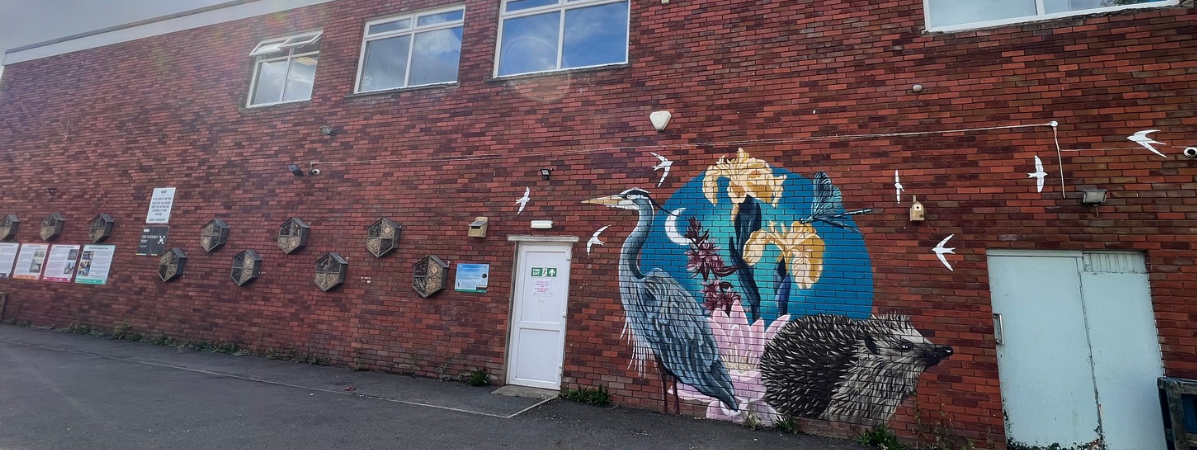
At YMCA Neath, we believe that even the smallest spaces can make a big difference. While we may be situated in the heart of Neath, surrounded by buildings, roads and everyday activity, our grounds are home to a growing variety of plants, insects, birds and other wildlife. Through our Pollinator Pathway and wider biodiversity projects, we’re working to create a welcoming environment where nature can flourish alongside our community. From wildflowers and insect habitats to bird boxes, a living wall and our community garden, every feature has been carefully chosen to support local wildlife and encourage people of all ages to connect with the natural world. Our aim is simple: to show that you don’t need acres of countryside to make a difference to nature. Sometimes, all it takes is a little space, a little care and a community willing to help.
Meet Our Pollinators – The little creatures doing a very big job!
When we think about pollinators, bees are usually the first creatures that come to mind. But did you know that butterflies, moths, hoverflies, beetles and even some wasps also play an important role?
Pollination happens when pollen is transferred between flowers, allowing plants to produce seeds and fruit. Some plants rely on insects and other animals to carry out this process. Without pollinators, many of the fruits, vegetables and wildflowers we enjoy would struggle to reproduce.
Unfortunately, many pollinating insects are facing increasing pressures from habitat loss, pesticide use, climate change and the reduction of wildflower-rich spaces. That’s why we’ve created our Pollinator Pathway: a series of connected habitats offering food, shelter and safe places for wildlife to rest.
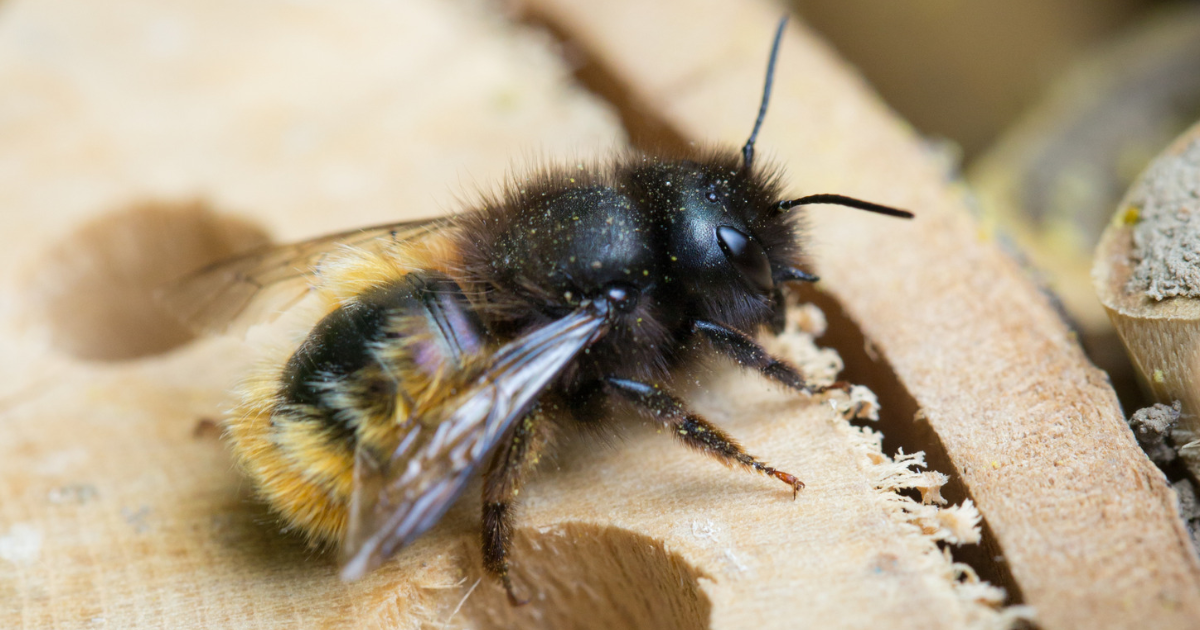
Bumblebees and Solitary Bees – Bees are some of our most important pollinators.
Bumblebees are easily recognised by their fuzzy bodies and distinctive buzzing. Their hairy bodies are particularly good at collecting pollen as they move between flowers. Unlike honeybees, many of our native bee species live alone rather than in large colonies. These are known as solitary bees. Solitary bees often make their nests in hollow plant stems, small holes in wood or underground tunnels.
Did you know? The UK is home to more than 270 species of bee, and most are solitary species!
How you can help: Grow nectar-rich flowers, avoid pesticides and provide undisturbed nesting spaces.
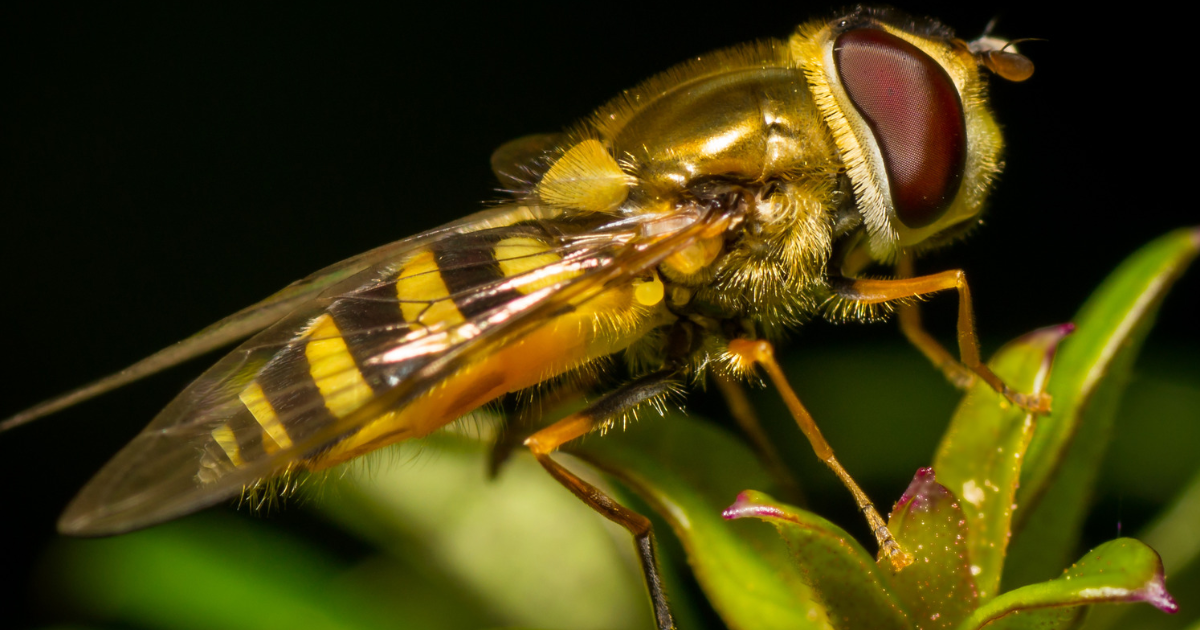
Hoverflies and Wasps – Not everything that looks like a bee is actually a bee!
Hoverflies are often mistaken for bees or wasps because of their yellow and black markings. However, they are harmless to people and many species are excellent pollinators. Some hoverfly larvae also feed on aphids, helping gardeners naturally control pests. Wasps are important too! Although they sometimes have a bad reputation, many wasps visit flowers for nectar and help control other insect populations.
Did you know? Hoverflies have just one pair of wings, while bees and wasps have two pairs.
How you can help: Plant a variety of flowering plants, including those with open flowers that make nectar easy to reach.
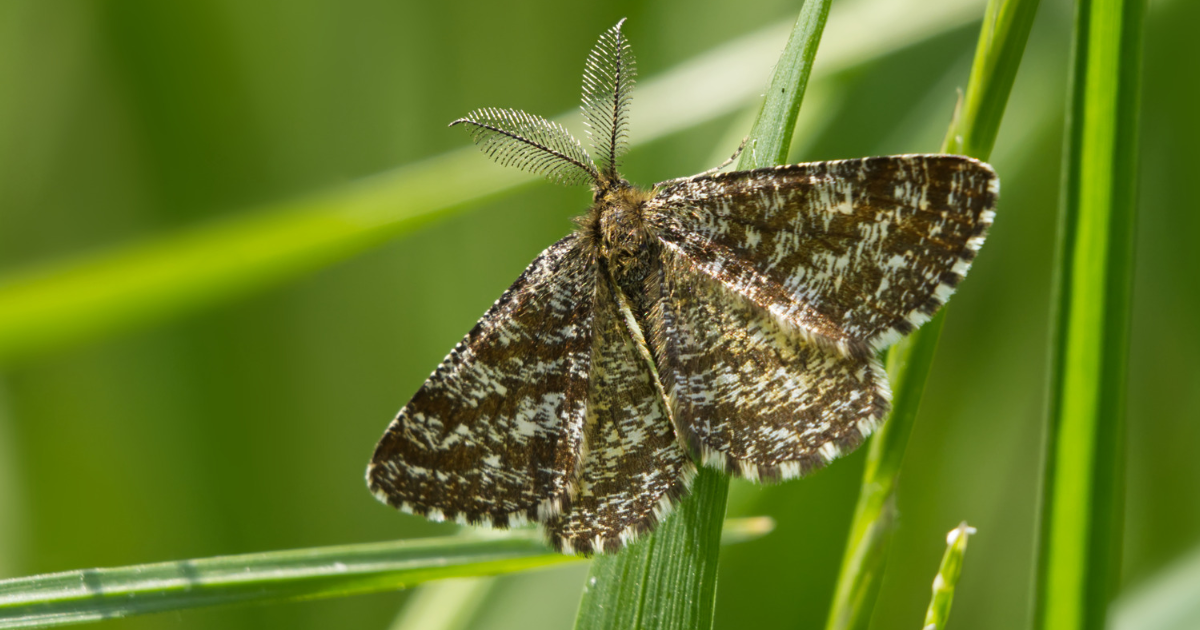
Butterflies and Moths – Butterflies and moths bring colour and movement to our gardens, but they also play important roles in nature.
As they travel between flowers feeding on nectar, they can transfer pollen from one plant to another. Many moths are active at night, helping pollinate plants when most daytime insects are resting. Their caterpillars are also an important source of food for birds and other wildlife.
Did you know? The UK has around 60 resident butterfly species and more than 2,500 species of moth!
How you can help: Grow native wildflowers, leave some longer grass and avoid cutting back every plant during autumn and winter.
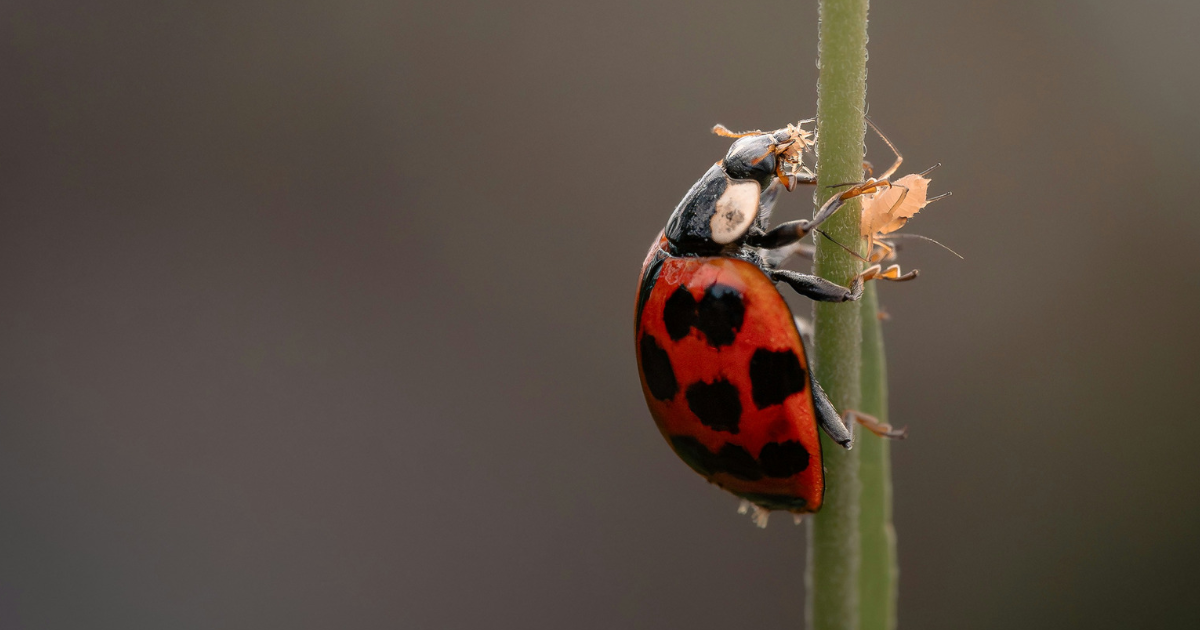
Beetles – Beetles are among the most diverse groups of insects in the world.
Some beetles visit flowers to feed on pollen and nectar, helping with pollination along the way. Others, such as ladybirds, are valuable garden helpers because they feed on pests including aphids. Beetles also play an important role in breaking down dead plant material and recycling nutrients back into the soil.
How you can help: Leave logs, fallen leaves and small areas of undisturbed ground to provide shelter.
Our Pollinator Pathway – Connecting nature, one small habitat at a time
Imagine trying to travel across a town where every green space is separated by roads, buildings and concrete. For a tiny insect, this can be a huge challenge. Pollinators need access to flowers for food, safe places to shelter and suitable habitats where they can reproduce. A pollinator pathway helps by creating a series of nature-friendly spaces that act like stepping stones across the landscape. At YMCA Neath, our pathway aims to strengthen the connection between our grounds, the nearby Neath Canal, surrounding marshland and wider local habitats.
What have we created?
Pollinator-friendly planting Our new planting provides nectar and pollen for visiting insects. By choosing a variety of plants with different flowering seasons, we aim to offer food across as much of the year as possible.
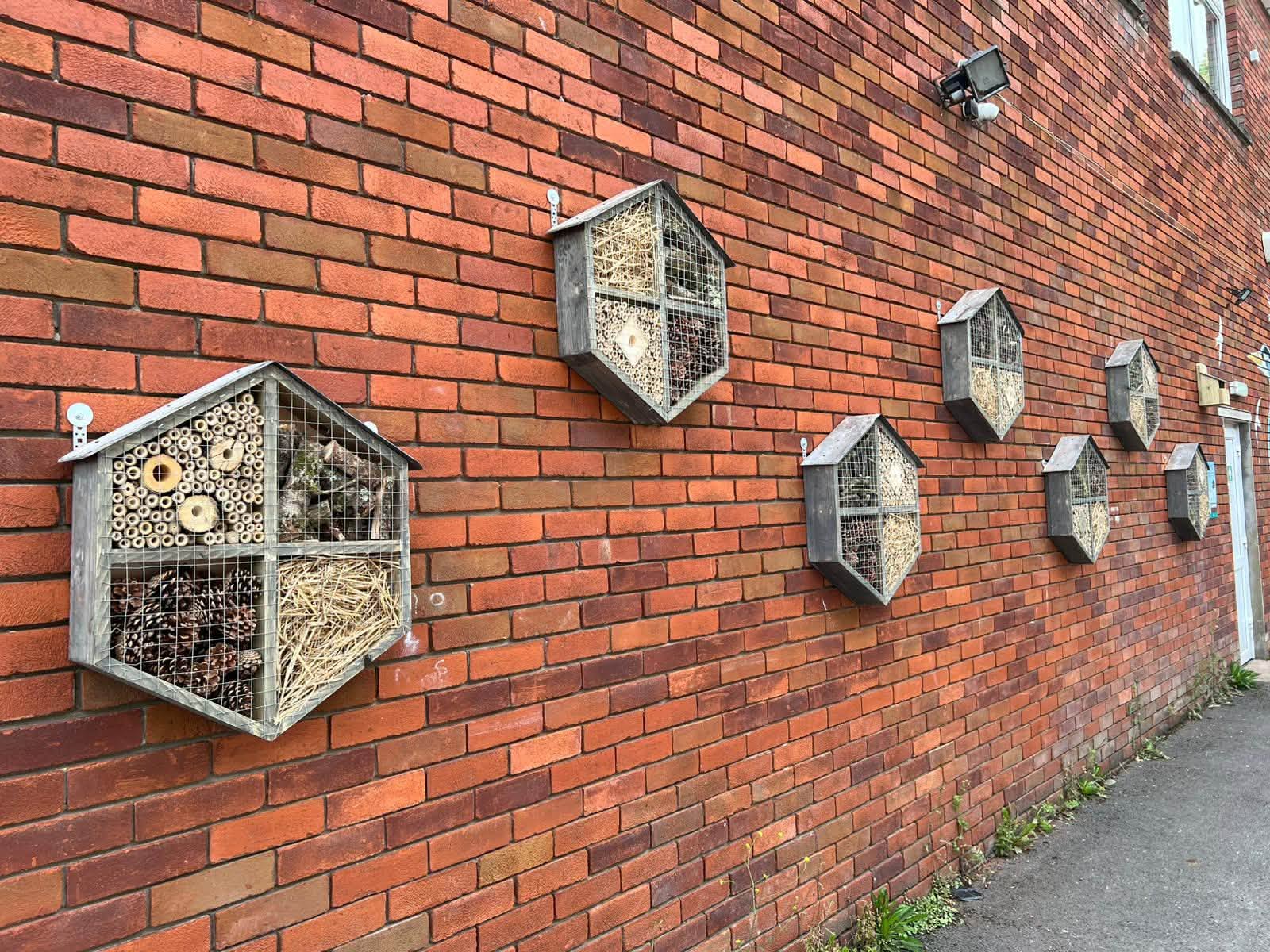
Insect habitats Our specially created insect habitats offer potential shelter and nesting opportunities for a variety of invertebrates. Different species have different needs, so our habitats include a mixture of natural materials and spaces.
Educational information panels Our panels help visitors discover the wildlife around them, understand why biodiversity matters and learn how they can support nature themselves.
A connected green space Together, these features create a network of habitats that can support insects, birds and other wildlife. Our pathway is part of a much bigger picture. By making small changes in gardens, parks, schools and community spaces, we can all help create a greener and more connected Neath.
Discover Our Biodiversity Features- There’s more wildlife here than you might think!
Our Pollinator Pathway is just one part of our wider commitment to improving biodiversity at YMCA Neath. Over recent years, we’ve introduced a variety of nature-friendly features across our grounds.
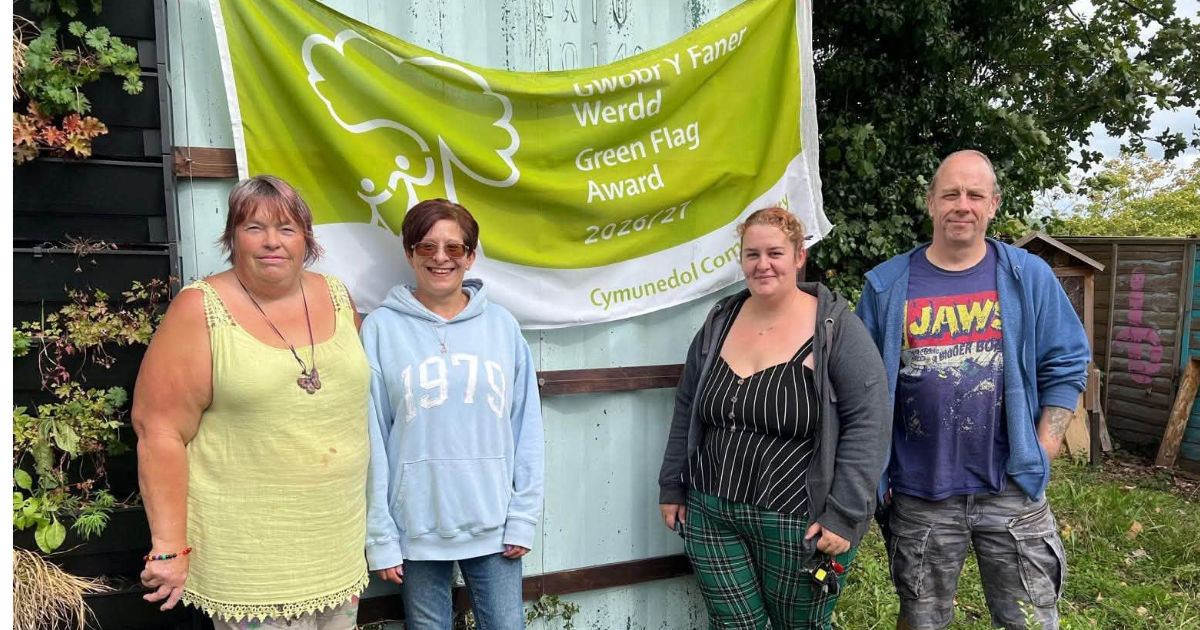
Our Community Garden – Gardd y Pobl – Our community garden is much more than a place to grow plants.
Maintained with the help of our wonderful volunteers, Gardd y Pobl provides a welcoming space where people can spend time outdoors, learn new skills, grow together and enjoy the benefits of nature. Gardens can provide important habitats for wildlife, particularly in urban areas where natural green spaces may be limited. Our garden supports insects, birds and other creatures through its plants, soil, shelter and quieter spaces. Gardening also has wonderful benefits for people. Spending time outdoors can help reduce stress, encourage physical activity and create opportunities for friendship and connection. We’re especially proud that our environmental work has been recognised through the Green Flag Community Award, celebrating the care and commitment that goes into maintaining our green space.
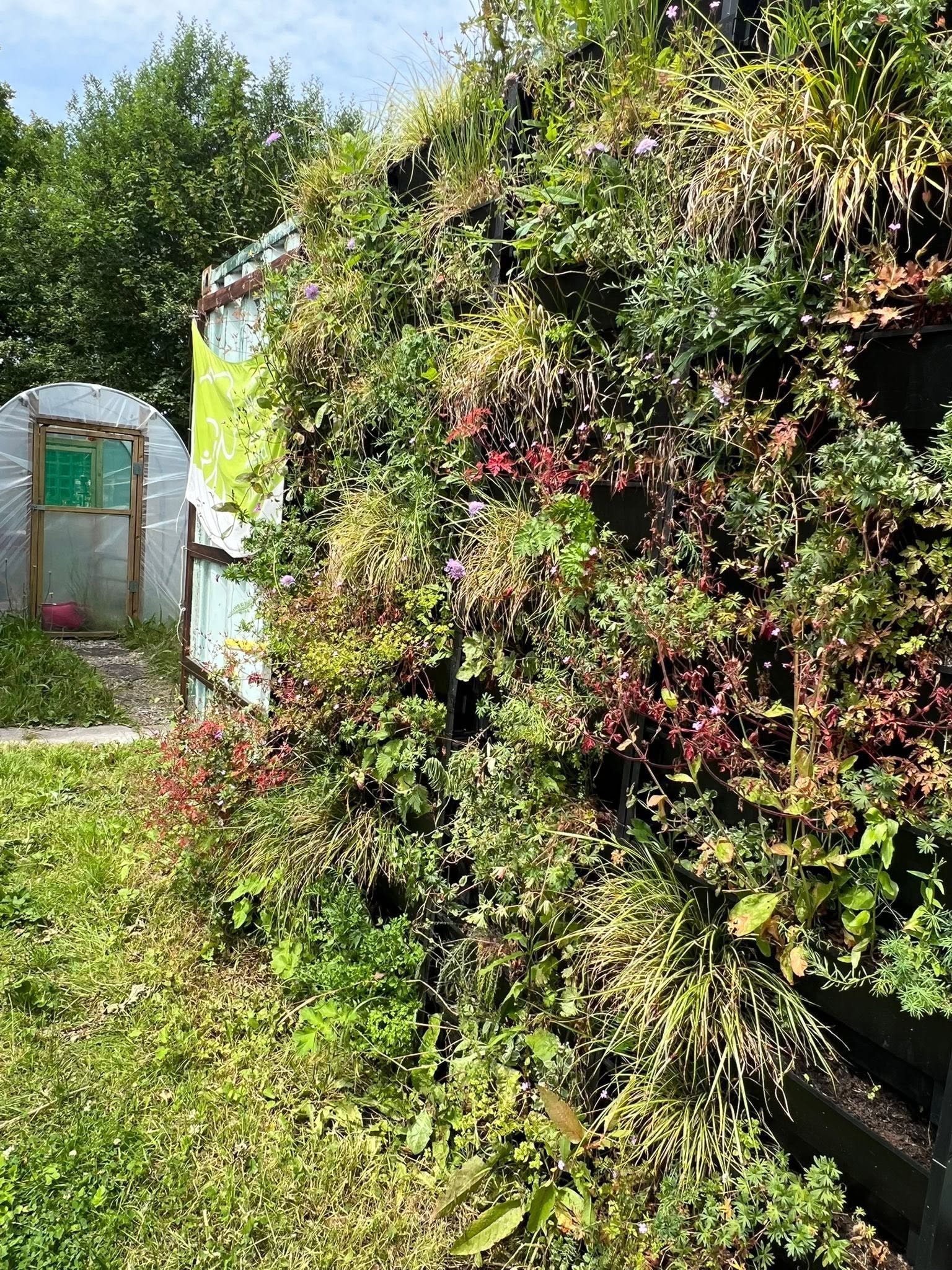
Our Living Wall – Our living wall transforms an ordinary vertical space into a home for plants and a valuable resource for wildlife.
Living walls can provide nectar and pollen for visiting insects, as well as shelter among their leaves and stems. They also demonstrate how greenery can be introduced into places where there may be limited room for traditional gardens. In built-up areas, vertical planting is a wonderful way of making use of otherwise overlooked spaces.
Our Swift Boxes – If you look high up on our building, you might spot our specially installed swift nesting boxes. Swifts are remarkable birds that spend most of their lives in the air. They feed, drink and even sleep while flying! Each year, swifts travel thousands of miles between their breeding grounds in Europe and their wintering areas in Africa. Unfortunately, swift populations have declined significantly, partly because modern building renovations and construction methods have reduced the number of suitable nesting spaces. By installing swift boxes, we’re providing potential nesting opportunities for these incredible birds.
Did you know? A swift can spend many months continuously in flight without landing!
Keep an eye on the skies during the warmer months. You might be lucky enough to see swifts racing overhead with their distinctive sickle-shaped wings.
Our Bat Boxes – Bats are another important part of our local ecosystem.
The UK is home to 18 species of bat, and all of them feed on insects. A single bat can consume large numbers of insects in one night, helping maintain a healthy balance in the environment. Our bat boxes provide potential roosting spaces for bats, which can be particularly valuable where natural roosting opportunities are limited.
Bats are protected by law, so their boxes must be left undisturbed.
Did you know? Bats are the only mammals capable of true powered flight!
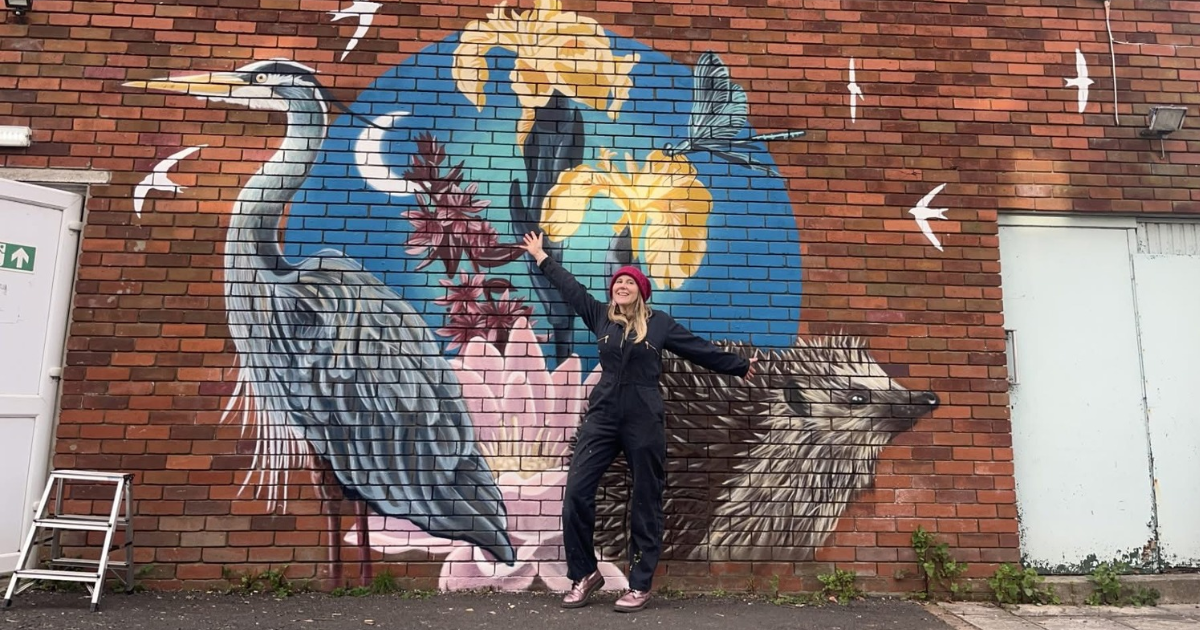
Our Nature Mural – Nature isn’t just something to protect. It’s something to celebrate!
Our colourful wildlife mural highlights the beauty and diversity of the natural world and reminds visitors of the incredible wildlife that shares our community. Public art can inspire curiosity, encourage conversations and help people notice the natural world around them.
Five simple ways to help nature at home
The good news is that everyone can do something to support biodiversity, regardless of how much outdoor space they have.
1. Plant a variety of flowers
Choose flowers that provide nectar and pollen throughout spring, summer and autumn. Native plants are particularly valuable for many local insects, although other suitable flowering plants can also help. Even a small pot of flowers on a doorstep or balcony can provide food for visiting pollinators.
2. Provide shelter
Leave some natural materials in a quiet corner of your garden. Small piles of logs, leaves and twigs can offer shelter for insects and other creatures. Hollow stems and areas of bare, undisturbed soil may also provide nesting opportunities for some solitary bees.
3. Add a water source
Wildlife needs water just as much as we do. A shallow dish filled with clean water and a few stones can provide a safe place for insects to drink. Remember to refresh the water regularly.
4. Leave some wild space
Not every corner of a garden needs to be perfectly tidy! Allowing some grass to grow longer, leaving seed heads over winter and avoiding unnecessary cutting back can provide food and shelter for wildlife.
5. Avoid harmful pesticides
Many pesticides can affect beneficial insects as well as the pests they’re designed to control. Where possible, choose wildlife-friendly gardening methods and encourage natural predators such as ladybirds and hoverflies.
Remember: every flower, every habitat and every small action counts!
Working Together for a Greener Neath
None of this would be possible without the people and organisations who share our commitment to protecting the environment. We’re incredibly grateful to our volunteers, community members and project partners who have helped us transform our grounds into a more welcoming space for both people and wildlife.
Our environmental work has been supported by organisations including Neath Port Talbot Local Nature Partnership, Keep Wales Tidy, Hubbub and the Welsh Government. Through funding, practical support, volunteering and community involvement, we’re showing what can be achieved when people work together.